
Cloud Computing

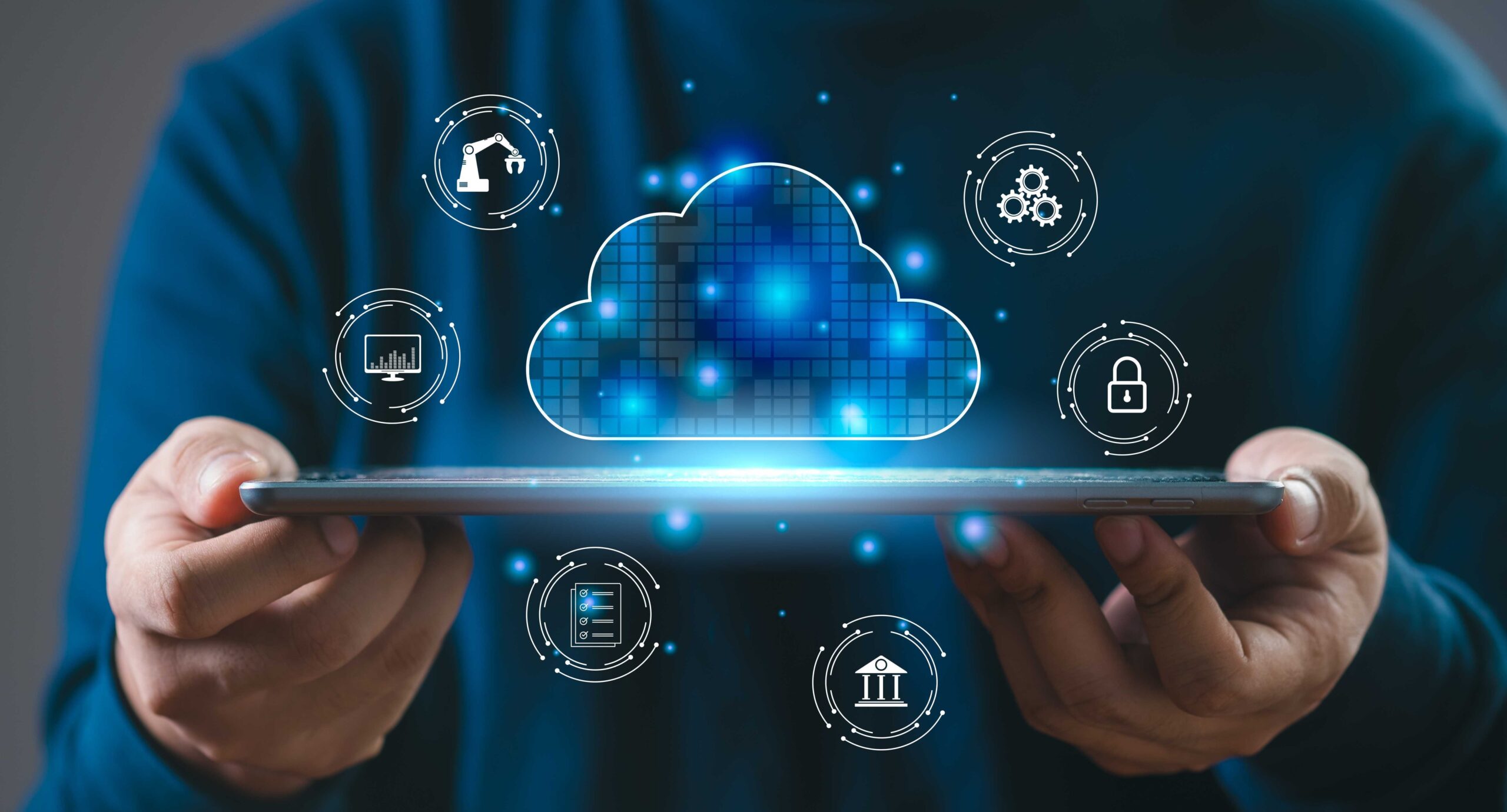
Exploring Cloud Computing
Types of cloud computing
When discussing cloud computing, it's important to understand the different service models available. These models refer to the various ways individuals and organizations can access and utilize cloud computing resources. Let's delve into the three main types of cloud computing: Infrastructure as a Service (IaaS), Platform as a Service (PaaS), and Software as a Service (SaaS). Infrastructure as a Service (IaaS) provides users with the computing infrastructure required to host their applications or workloads in the cloud. This includes virtual machines (VMs), storage, networking, and other components. IaaS enables organizations to scale their resources up and down as needed, without the need to invest in and maintain their own physical infrastructure.Platform as a Service (PaaS) takes things a step further by providing a platform on which users can build and deploy their applications. PaaS typically includes components such as a programming language runtime, middleware, and data services. With PaaS, developers can focus on building their applications without worrying about the underlying infrastructure. Software as a Service (SaaS) is the most commonly used cloud computing model. SaaS provides users with applications that are available on demand and typically accessed through a web browser. Popular examples of SaaS applications include Gmail, Salesforce, and Google Docs. With SaaS, users pay a subscription fee to access the application and its features, eliminating the need for on-premises software or installation.
Security concerns of cloud computing
While cloud computing offers numerous advantages, it is important to acknowledge the security concerns that come with it. Data privacy and security are top concerns when it comes to cloud computing. Organizations must entrust their data to third-party cloud providers, raising concerns about unauthorized access or data breaches. Another issue related to data privacy and security is data portability. When data is stored in the cloud, it becomes more fragmented and spread across various servers. This can make it challenging for users to move their data from one cloud provider to another, potentially locking them in to a single provider.Another issue related to data privacy and security is data portability. When data is stored in the cloud, it becomes more fragmented and spread across various servers. This can make it challenging for users to move their data from one cloud provider to another, potentially locking them in to a single provider. Compliance and regulatory issues also pose a challenge for organizations adopting cloud computing. Different countries have varying laws and regulations governing data privacy and protection. Ensuring compliance with these regulations can be complex and challenging for organizations operating in multiple regions or industries.
Conclusion
In conclusion, cloud computing offers numerous benefits, including cost savings, scalability, and flexibility. However, it's important to be aware of its limitations and security concerns. By understanding the different types of cloud computing and addressing security concerns, organizations can make informed decisions about adopting cloud technologies. The future of cloud computing looks bright, with more innovation and advancements expected in the years to come.Data centers play a crucial role in today's digital world. They are home to vast amounts of data, housing the servers that keep businesses, governments, and individuals connected. As the amount of data being generated and stored continues to grow exponentially, the need for efficient and secure data centers becomes paramount.
What is a Data Center?
A data center is a facility that houses computer systems, networking equipment, and storage systems. It is designed to manage, process, and store large amounts of data. Data centers provide the necessary infrastructure for businesses and organizations to store, access, and transmit their data securely.
Importance of Data Centers
Data centers have become indispensable in today's interconnected world. They serve several key functions:
1. Data Storage and Retrieval Data centers provide the necessary storage space for the massive volumes of data that are generated every day. They employ advanced storage solutions, such as hard drives and solid-state drives, to ensure data availability and retrieval.
2. Disaster Recovery and Business Continuity Data centers are designed to withstand various natural disasters, such as earthquakes, floods, and power outages, to ensure business continuity. They implement redundant power sources, cooling systems, and backup systems to minimize downtime and maintain data integrity.
3. Security Measures Data centers prioritize security to protect sensitive data from unauthorized access or breaches. They employ various security measures, including firewalls, access controls, and encryption, to safeguard against cyber threats.
4. Network Connectivity Data centers serve as the backbone of the internet, facilitating high-speed and efficient connectivity. They house critical network infrastructure, including routers, switches, and fiber-optic cables, that enable data transfer and communication in real-time.
5. Energy Efficiency Data centers consume a significant amount of power, so energy efficiency is crucial. They employ energy-efficient systems, such as intelligent cooling technologies and renewable energy sources, to minimize their carbon footprint.
Types of Data Centers
There are several types of data centers based on their structure and objectives:
- Enterprise Data Centers: These data centers are owned by large enterprises, such as multinational corporations or government agencies, and are typically optimized for performance and reliability.
- Colocation Data Centers: Colocation data centers are third-party facilities that rent out space for servers and other equipment. They offer scalable and flexible services, allowing businesses to focus on their core competencies.
- Edge Data Centers: Edge data centers are located closer to the end-users, reducing latency and improving performance for latency-sensitive applications. They are suitable for industries that require real-time data processing, such as e-commerce, autonomous vehicles, and IoT (Internet of Things).
Challenges and Future Trends
While data centers play a vital role in the digital landscape, they face several challenges and emerging trends:
- Energy Efficiency: Data centers consume a significant portion of power, making it crucial to address energy efficiency concerns. This includes adopting energy-efficient technologies and exploring renewable energy sources.
- Security and Privacy: Data centers face increasing security threats, including data breaches, malware attacks, and unauthorized access. Ensuring robust security measures and compliance with regulations is essential.
- Cloud and Hybrid Solutions: The rise of cloud computing is reshaping the data center landscape. Businesses are transitioning from traditional on-premises data centers to cloud-based solutions, combining the benefits of both models.
- Edge Computing: With the growth in IoT devices and real-time applications, edge computing is becoming increasingly important. Data centers need to be closer to end-users, enabling faster data processing and minimizing bandwidth requirements.In conclusion, data centers are the backbone of the digital era, enabling businesses to store, access, and transmit data securely. As the amount of data continues to grow, the role of data centers becomes increasingly critical. By addressing challenges such as energy efficiency, security, and emerging trends, data centers can play a vital role in enabling the future of digital connectivity
